
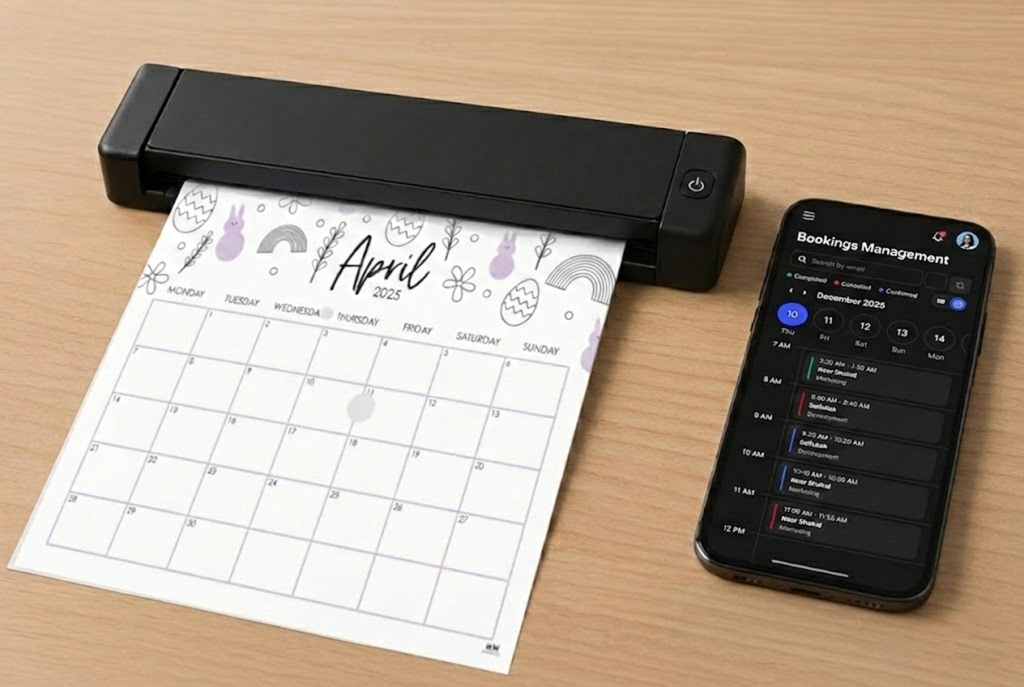
The debate between online booking and manual scheduling is common among small businesses looking to improve efficiency.
This comparison explores time savings, accuracy, cost, and customer experience to help you decide which system is better.
Introduction: The Scheduling Dilemma for Modern Businesses
Every service-based business relies on an effective scheduling system to manage appointments, staff availability, and customer expectations. The way appointments are handled can directly impact efficiency, revenue, and customer satisfaction.
For years, many businesses have relied on manual scheduling methods such as phone calls, paper calendars, or spreadsheets. While these methods may seem simple, they often require constant attention and create room for errors.
Online booking systems offer a modern alternative by automating the scheduling process and allowing customers to book appointments digitally. But which option is truly better for businesses today? This article compares online booking and manual scheduling to help you decide.
What Is Manual Scheduling?
Manual scheduling refers to traditional appointment management methods such as booking over the phone, writing appointments in physical calendars, or using basic spreadsheets. These systems rely heavily on staff to record, update, and confirm every appointment.
While manual scheduling may seem straightforward, it requires constant supervision and coordination. Staff must answer calls, check availability, update calendars, and handle cancellations or changes manually.
As businesses grow, manual scheduling often becomes harder to manage. Increased appointment volume can lead to scheduling conflicts, missed bookings, and unnecessary administrative workload.
What Is Online Booking?
Online booking is a digital scheduling system that allows customers to book appointments through a website or booking platform without calling the business. Customers can view real-time availability, select services, and confirm appointments instantly.
Unlike manual scheduling, online booking systems automatically update calendars when appointments are made, rescheduled, or cancelled. This reduces the need for constant staff involvement and minimises human error.
Online booking also often includes features such as automated confirmations, reminders, and customer management tools. These features streamline operations and create a more efficient scheduling experience for both businesses and customers.
Time Efficiency: Which Saves More Time?
Time efficiency is one of the biggest differences between manual scheduling and online booking. Manual scheduling requires staff to answer calls, check availability, update calendars, and confirm appointments individually.
These repetitive tasks consume valuable working hours that could otherwise be spent serving customers or focusing on core business activities. As appointment volume increases, the time required to manage bookings manually also grows.
Online booking systems save time by automating these processes. Customers can book appointments themselves, confirmations are sent automatically, and calendars update instantly without staff involvement. In most cases, online booking significantly reduces administrative workload.
Accuracy and Error Reduction
Manual scheduling increases the risk of human error. Double bookings, incorrect time entries, and missed updates can occur when appointments are recorded by hand or managed across multiple tools.
Even small scheduling mistakes can lead to customer frustration, delays, and loss of trust. Fixing these errors often requires additional time and communication with clients.
Online booking systems reduce these risks by updating availability in real time. Once a time slot is booked, it is automatically removed from the calendar, helping prevent conflicts and improving overall scheduling accuracy.
Customer Experience Comparison
Customer experience plays a major role in determining which scheduling method is better. With manual scheduling, customers often need to call during business hours, wait on hold, or exchange multiple messages just to secure an appointment.
This process can feel inconvenient, especially for customers who prefer quick and flexible digital solutions. Limited booking hours may also result in missed opportunities if calls go unanswered.
Online booking offers a smoother and more convenient experience. Customers can book appointments 24/7, receive instant confirmations, and manage their bookings easily. This level of convenience significantly improves overall satisfaction.
Cost Comparison: Short-Term vs Long-Term
At first glance, manual scheduling may seem less expensive because it does not require software subscriptions. Businesses can rely on existing staff and basic tools such as notebooks or spreadsheets.
However, manual scheduling often comes with hidden long-term costs. Time spent answering calls, correcting mistakes, and managing no-shows adds up, reducing overall productivity and profitability.
Online booking systems typically involve a monthly fee, but they save money over time by reducing administrative workload, minimising errors, and increasing appointment efficiency. For many businesses, the long-term return on investment outweighs the initial cost.
Managing No-Shows and Cancellations
No-shows and last-minute cancellations are common challenges for service-based businesses. With manual scheduling, staff must personally call or message customers to confirm appointments, which takes time and effort.
Without consistent reminders, customers may forget appointments, leading to empty time slots and lost revenue. Filling these gaps at short notice can be difficult.
Online booking systems automatically send confirmations and reminders before appointments. This proactive communication significantly reduces no-shows and allows customers to reschedule easily if needed.
Impact on Business Growth
The scheduling method a business chooses can directly influence its growth potential. Manual scheduling often limits scalability because staff must handle every booking request individually.
As appointment volume increases, manual processes become harder to manage efficiently. This can slow down expansion and create operational bottlenecks.
Online booking supports business growth by automating appointment management and allowing customers to book independently. This enables businesses to handle more bookings without increasing administrative workload.
Security and Data Management
Data management is another important difference between manual scheduling and online booking systems. Manual methods often rely on paper records or scattered spreadsheets, which can be difficult to organise and secure.
Physical records can be lost or damaged, while basic digital files may lack proper access controls. This increases the risk of data errors or unauthorised access.
Online booking systems centralise appointment data in secure digital platforms. With controlled access, organised records, and automatic backups, businesses can manage customer information more safely and efficiently.
Which Businesses Should Switch to Online Booking?
Businesses that rely heavily on appointments are the strongest candidates for online booking systems. Service-based industries such as salons, spas, dental clinics, barbershops, fitness studios, and consulting services often manage multiple bookings every day.
If a business frequently handles phone calls for scheduling, rescheduling, or confirming appointments, it may already be spending a significant amount of time on administrative work. In these cases, online booking can dramatically reduce workload and improve operational efficiency.
Growing businesses should especially consider switching to online booking. As appointment volume increases, manual scheduling becomes more difficult to manage and more prone to errors. Online systems allow businesses to scale without increasing administrative staff.
Even smaller businesses can benefit from online booking. Offering digital scheduling creates a more professional image and provides customers with the convenience they expect in today’s digital environment.
FAQs: Online Booking vs Manual Scheduling
Yes, online booking is generally better for small businesses because it reduces administrative workload, prevents scheduling errors, and allows customers to book appointments 24/7 without staff involvement.
Manual scheduling can lead to double bookings, missed appointments, time-consuming phone calls, and limited booking hours. It also becomes difficult to manage as a business grows.
Yes, online booking systems send automated confirmations and reminders, which significantly reduce no-shows and last-minute cancellations compared to manual scheduling methods.
While online booking usually requires a subscription fee, it often saves money long-term by reducing staff workload, preventing errors, and improving operational efficiency.
Yes, online booking can increase revenue by allowing customers to book anytime, reducing missed calls, filling more time slots, and supporting business growth without additional administrative costs.